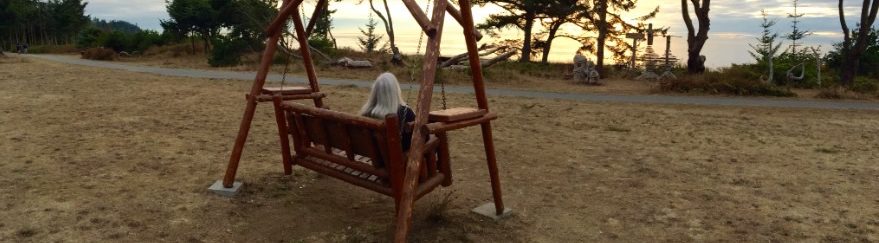
Regrouping after an Unwanted Divorce

A HOPE AND A  PROMISE

He will be with you, he will not leave you or forsake you. ~Deut. 31:8 ESV

Rejection has the power to spew injurious messages inside the wounded person. When a marriage is ripped apart, negative emotions can ravage the mind’s sensitivities. It can leave a person gasping, struggling to make sense of what happened. Divorce smashes the dream that once shone so brightly and leaves destruction in its wake.

There are many ways to absorb these internal hurts. Some bury their feelings. Others unleash volleys of red-hot attacks. Some become overwhelmed by loss and grief. Others walk away in denial, never looking back.

Some unwelcome intruders jump on the emotional bandwagon. Resentment and bitterness visit in the quiet hours. Anger and spite seek payback with a vindictiveness that sabotages efforts at joy and happiness. Sorrow and sadness become a cloak of gloom difficult to lift. Depression and discouragement may rob children of the home they once had that is now just a wistful dream. It’s hard. The devastation of divorce will have repercussions and outfall. What to do?

You are stronger than you think. It is not hopeless even when it may seem so. For you see, it is not the end of the story. Life goes on. The person must go on with it. Once the shock wears off and the pain is managed, it then becomes possible to learn, change, and grow. It takes time, patience, and hard work to recover from injured self-perceptions and personal loss before one is able to live again.

This is possible because we are not alone. God strengthens us when we feel weak. He holds us when we are weary. He guides us when we are confused, struggling with our present and fearful of our future. Our heavenly Father promises to never leave us, even when the loneliness seems almost unbearable. He is true and steady. Gentle is his healing balm and loving grace. God is here.
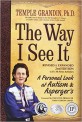
The Way I See It: A Personal Look at Autism & Asberger’s (2011, updated & expanded edition)

The autistic mind is probed through this first person collection of topical essays written by award winning author, speaker, and person with autism, Temple Grandin. This book provides an awareness of what autism looks like, its affects and effects on human function and capabilities, and it highlights practical ways to effectively maintain and embrace life for those on the autism spectrum and for their families. Grandin shows us in living color what autism looks like, and she explains that an autism diagnosis need not ruin nor prevent the autistic person’s ability to live a full life. By understanding the range of physical differences caused by autism and through a proactive, determined mindset, the autistic person and their family then are able to work through the varied factors and conditions.  This is a way to develop and create potential in order to enable and effect positive results.
      Temple Grandin credits her mother with much of her success and healthy development during her youth. Her mother did not let the label and challenges define her daughter nor did she use them as a reason to excuse her daughter from learning social graces and responsibility. It meant she taught her daughter in a different way through accessible instructions, awareness of physical needs, and through a healthy, rich, learning environment. She recommends limiting electronics, eating healthy, showing and teaching socially acceptable behaviors such as conscientious, polite behaviors. She encourages playing board games to learn how to share and interact, taking a variety of field trips, and actively providing opportunities for growth (in numerous ways) all the while teaching procedures and useful ways and dynamics for facing and overcoming obstacles and frustrations. Some autistic children are nonverbal, some have difficulty with interactive elements, and many have overly sensitive sensory receptors. This means the autistic person’s physical environment  will need some adjusting and must be managed in regard to the their sensitivities. Even average noise levels can cause physical pain to a person with autism. This is good-to-know information.
      The Way I See It is a fascinating read. I recommend it for parents who have a child on the autism spectrum or people who are autistic themselves. It is beneficial for people with related symptoms such as Asberger’s and for people who work with children in a public institution or public setting. This book is helpful and informative and well worth the time to read.