

What a Daniel Fast Is, How the Daniel Fast Works, and Why It Is Good for You

The Daniel Fast is a partial fast based on plant foods. The foods allowed on the Daniel Fast consist of vegetables, fruits and grains. The beverage is water.

These foods are described in the biblical story found in Daniel 1, where the Jewish boys in Babylon requested vegetables and water, pulse, to eat in keeping with their spiritual beliefs in order to not defile their bodies. The term “pulse” refers to plant based foods.

A fast is not a diet. Fasting differs from weight loss diets in that it is undertaken for a spiritual purpose. A person may choose to fast for a variety of spiritual reasons. These spiritually-based goals may be individual (with a personal goal) or collectively (with a shared common purpose).
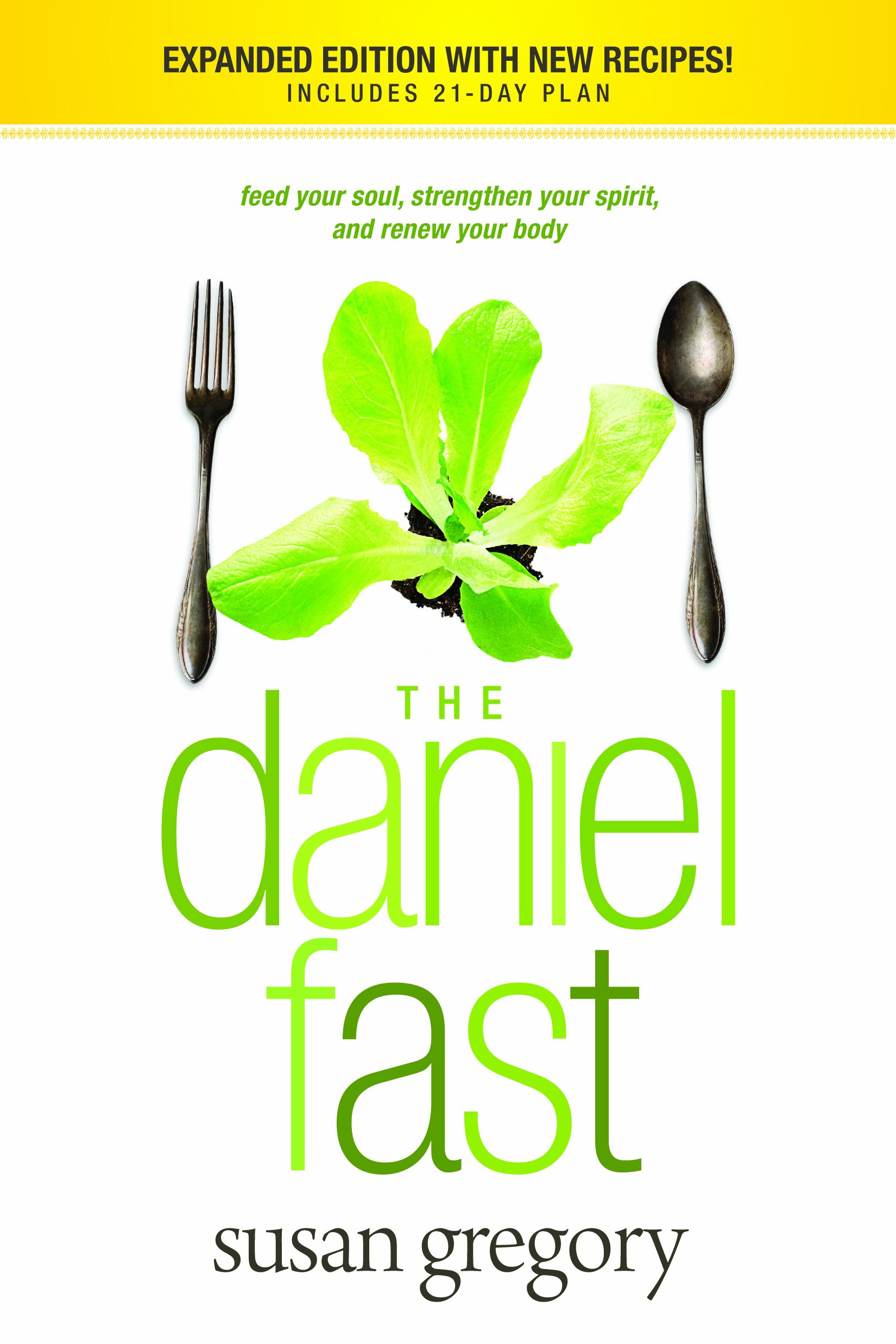
Daniel FastSusan Gregory is a leader in the Daniel Fast community. She maintains an online blog and website devoted to dispensing information concerning the Daniel Fast at www.daniel-fast.com. In her book, The Daniel Fast, Susan Gregory uses a five step sequence for the fast: Pray, Plan, Prepare, Participate, Praise and Process.

The Daniel Fast book includes two parts:

  • Part 1 – Lays out the Daniel Fast plan: Fasting as a spiritual discipline; the story of biblical Daniel; the benefits for body, soul and spirit; and the five steps to a successful Daniel Fast.
  • Part 2 – Includes a food list; Daniel Fast recipes; DF menus; a 21 day DF devotional; and frequently asked questions.

The fast is organized in a five week delineation:

  • Week 1: Preparation for your fast
  • Weeks 2-4: Participation in 21 days of fasting (the Daniel Fast way)
  • Week 5: Review of your individual Daniel Fast results, the takeaways, and preparation for a return to regular eating by incorporating some food modifications.

DANIEL FAST FOODS

Foods to Include:

  • All vegetables
  • All whole grains
  • All nuts and seeds
  • All legumes
  • All quality oils
  • Water
  • Soy foods
  • Specified condiments and cooking ingredients (see book)

Foods to Restrict:

  • All meat and animal products
  • All dairy products
  • All sweetners and sugars
  • All leavened bread
  • All refined and processed food products
  • All deep-fried foods
  • All solid fats
  • All nonwater beverages

The Daniel Fast has many benefits. I am undertaking my fourth Daniel Fast as of this writing. Two years ago I did a trial run during the summer. Last year I led a group of women through the Daniel Fast in January and then again in March (some of the women enjoyed it so much they wanted a second go-round). Currently, I am leading another group of women in the fast. We are nearing the home stretch. By the way, almost everyone loses weight as a side benefit.

Here’s what happens:

Week one we meet and discuss what’s coming up: the types of foods to purchase in advance, how we will select a spiritual goal for our own fast’s purpose, and what we will read in the book before we start the fast. All participants begin cutting back on some of the foods which are not allowed on the fast, in particular, coffee. It helps to have some experienced fasters in the group to help guide the discussion and answer questions.

Week two the participants begin to complete the 21 day Daniel Fast. During the first few days most participants experience some detoxing and discomfort, headaches and body aches, and everyone comiserates about giving up their favorite beverage. By Day 5, most participants are feeling better than they have in years. Days 6 – 21, the body aches diminish, and it is common to have more energy and clearer thinking.

In addition, the participants find the Daniel Fast devotionals and personal prayer time both rewarding and fulfilling. It’s like our body, soul and spirit is receiving a fine-tuning and reboot. Everyone is excited. They share with the group the new recipes they’re trying, and their successes . . . like cleaning the kitchen cupboards now that they have an abundance of energy etc.

The Daniel Fast works well for a group or by yourself. A group helps with focus and encouragement and can be a lot of fun. When the Daniel Fast is over, I have found that most of the participants change up some of their past unhealthy eating habits and begin to make some better, healthier choices.

. . .

Note 1: A Daniel Fast workbook can be purchased. It works as a spiritual support during the fast. I use the workbook with my groups.

Note 2: Some who participate in the fast will not make it the whole way without a slip-up or two. When this happens, they are encouraged to get back on track and keep going. My take on this issue is this; those who follow the Daniel Fast plan with fidelity, will reap the greatest benefit.

Why Good Conversations, Human Interactions and Healthy Food Make Us Better People

Today I had one of those really, totally, good and awesome conversations with my twenty-nine year old son. We talked about important matters: How people need people, because we know we dry up if we stay to ourselves; How we need to know what we’re about, who we are, but not as over-the-top people-pleasers who worry so much about making other people happy that we fail to be true to our own selves; How we must figure it out, why we do what we do and stand for what we stand for and how we can maintain our own integrity, and quit being so unsure and undecided, and afraid of disappointing others (instead we disappoint our own selves).

0128092117We talked about awkward, past events that didn’t turn out so well for either of us because we didn’t realize those things (already mentioned), having not yet matured in our own lives to the point of knowing that we don’t have to be right, but we do have to be true to our own beliefs, selves, and the world of ideas. It was that good!

It is this sort of conversation that separates the men from the boys, the women from the girls. He and I both needed it. It had been too long. I see the man in him where I used to see the boy becoming a man. It is how one thinks (and acts) which reveals the progress on the spectrum. As we all know, some people never grow up, not just Peter Pan.

A good conversation, when it is an honest one, takes a recognition of each person’s ideas and honors an acceptance of the other person’s right to their own perspectives and beliefs. We don’t have to agree, but we do have to listen, and we do have to respect one another, in the context of the exchange. A good conversation is not a sparring match where one person seeks to “win” by having the better argument or by dismissing the other person’s ideas (even imperceptively). Instead, it is an empowering exchange where those involved are validated and are not at risk of verbal attack. Nor do they find a need to protect their ideas, the ones they choose to share. It takes a measure of maturity to get to the place where we can be open and let ourselves be vulnerable, where we don’t have to convince, influence, or win in order to be heard.

The truth is, it takes two people who are mature in order to talk openly without a hint of judgment or criticism and without projecting a sense of superiority relative to the others person’s ideas and beliefs. This spawns a healthy exchange, even in the religious venue. Overbearing people have not yet come to this understanding of how it works. They should try it. It is quite delightful to speak truthfully and honestly (but not forcefully) without embarrassment or reservation. To do this successfully, one must not pry into private matters. What is offered in the exchange must be according to each person’s desire to share out, and to what degree they feel comfortable. The more the boundary of safety is employed, where opinions are not condemned but encouraged, the more honest and deep the conversation will go, providing the people are not prone to gossip.

Human interactions benefit us as a people in many ways. For healthy interactions to happen, and happen well, there must be a sense of parity. For the dialogue to be safe and welcoming, the exchange of ideas needs an unwritten parameter, a courtesy factor, which then promotes equality in the discussion. My son and I talked about introverts and extroverts. His take is that we over emphasize the introvert label. This can be used as an excuse for not making a decided effort to connect with others. Make no mistake, we live to give, and giving is essential to good health.

When we take time for other people, we are given a sense of satisfaction. After the conversation or event is over, we find ourselves perked up by our now enlivened spirit. Being with other people in a positive way, builds us up even if we are on the quiet side or timid.  Life often is erratic and challenging, but that is when interactions with other people benefit us in a great way.  A support group, one with a common purpose, has the potential to make us stronger and to help us feel accepted and not so alone. An online community has this same power, especially when the people who participate in the group follow a code of ethics where a set of common courtesies is maintained. In the process, we learn from each other and find people with whom we have similar goals and purposes.  This is a win-win.

Healthy people, healthy ideas, healthy interactions, and healthy food all contribute to a positive spirit. Eat a bunch of unhealthy carbs, and you feel sluggish and your thinking is slow. Drink too much soda, eat too much sugary food, chomp on too many salty chips, and then you find yourself cranky and out of sorts. That is a common problem, but when we don’t overdo the bad stuff there is quite a difference in how we feel inwardly and how we act outwardly. Good food takes more time and effort to plan, to procure the right ingredients, to prepare, and to get used to eating. We learn to eat things like quinoa, kale, brown rice, and yams. It is amazing what we can learn to like.

It is nice to see the current trend toward healthy eating instead of fad diets. Dieting is a short term fix, but healthy eating is a life-style fix. We are doing ourselves and our kids a favor when we take good care of ourselves and keep our physical bodies in shape. Denial in this area catches up with us eventually. I’m working on improving the types and amount of food I eat. Good health makes a difference in how I relate to others. When I feel good, I am able to access more energy, and I am able to think better.  Then I can be in a happy place in myself and for others, which then encourages spontaneous, productive interactions and stimulating, enlivening conversations.

The conversation with my son made my day better. Our talk made me happy. I love to see the growth I observe in him. It was wonderful to share the bigger picture: the need to connect with others in significant ways, while also being true to our own beliefs and self. And then the follow-up idea: the pondering of how to be unselfish yet at the same time, self-actualized. The two may seem opposite but are not at odds if the intent is correct.

We need people who build us up, not bring us down. Those who demean us are never in our best interest. I suggest you create distance from them, either physically or mentally, or find a way to confront or address this in a proactive, and kind, way. People who go off on us are exhibiting their own stuff, their unresolved issues or frustrations with life. For example, we can say something like “I don’t do well when I am addressed with a “you” statement, because it makes me feel like I’m not seen as an equal when we talk.” An unhealthy interaction prohibits parity in the exchange. Those who give us something to think about, that which is life-giving or helpful, are the people who will encourage us to grow, challenge us to better things, and help us to become healthier people. We need these kinds of people in our lives.

People need people. We really do. There are some who need what we have to offer, who learn from us and are encouraged by us, and who grow from what we have to give. This is of great benefit to them and to us. Helping others has a way of making us better and stronger in the process. The key to all this–healthy conversations, interactions, and food–is to remain grateful and humble, and that is a good thing.